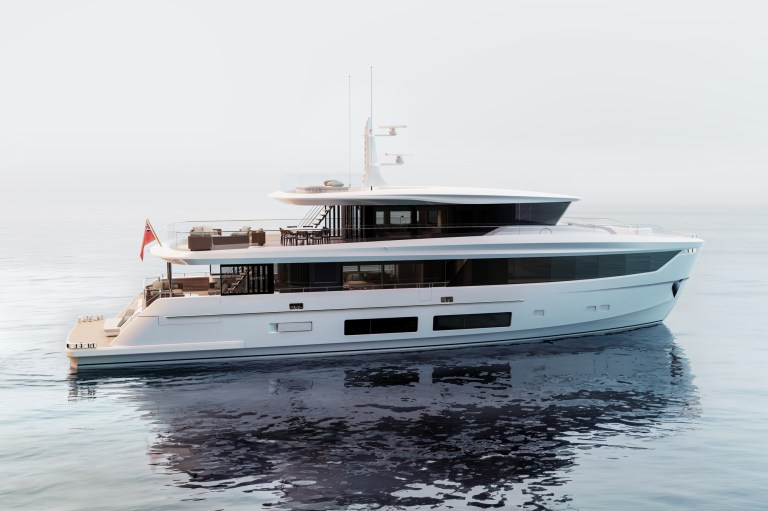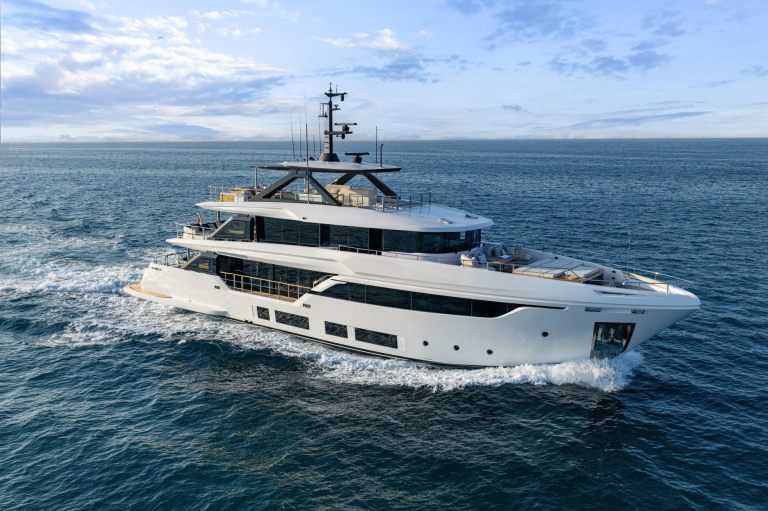

Marine teknology’s TEK sensors are invisibly fitted to the space between a yacht’s decks and belowdecks ceilings. These sensors detect intrusions as well as enable helpful automations.
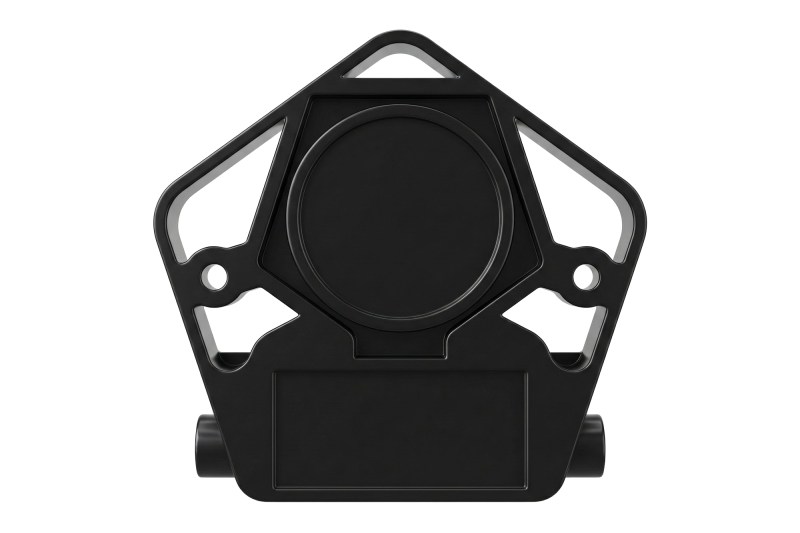
Each TEK sensor module is composed of four to 16 individual sensors that are bonded in resin and wired together. TEK sensors detect pressure (weight) that’s exerted on the decks or steps above their installation locations. They’re connected to a dedicated electrical board equipped with a local area network that, in turn, is networked with the vessel’s third-party automation system.
TEK sensors can be professionally fitted aboard new builds and refits. They allow installers to create scenarios that, for example, open doors or activate lights if the sensors detect friendly activity, or conversely trigger third-party alarms, cameras and lights if an intruder is detected.
“The biggest challenge was how to position the TEK modules in the lower deck ceiling to monitor the main deck area, since the ceilings of superyachts don’t have flat surfaces, but rather a multitude of steel beams,” says Stefano Barducci, Marine Teknology’s owner. He says the company solved this problem by creating an installation scheme that uses bigHead threaded pins that are glued to the ceiling, and steel brackets, washers and nuts that hold the TEK sensors in place.
The result, Barducci says, eliminates the need for welding or for drilling through vertical stringers or composite surfaces.
The Security Guard
TEK sensors are designed for yachts measuring at least 78 feet, bow to stern. TEK sensor installations are invisible, and the sensors do not require any maintenance, nor do they physically degrade over time. Each TEK sensor is a module that’s composed of four to 16 individual sensors, which are bonded in resin and wired together. TEK sensors can be ordered in sizes ranging from 11 to 43 square feet, and they have cable tails that are up to 492 feet long for easy installation.
Take the next step: marineteknology.com