Viking Yacht Company is urging NOAA to keep moving on efforts to modernize the federal North Atlantic right whale vessel-speed rule, pointing to advances in marine mammal detection and avoidance technology developed since the regulation took effect in 2008.
The push follows an executive order signed Sept. 17 directing the Commerce Department and NOAA to make use of technological advancements in marine mammal avoidance and work with the private sector to integrate them. The existing rule remains in effect, requiring most vessels 65 feet and longer to operate at 10 knots or less in designated Seasonal Management Areas along the East Coast.
Viking has been working on the issue since 2022 through its Whale and Vessel Safety Taskforce (WAVS), which uses a 24-foot Contender research boat equipped with detection systems, radar and artificial-intelligence classification software. The task force has worked with marine manufacturers, electronics companies and technology developers to test real-time whale detection, data sharing and vessel-alert systems.
“We have been working on this since 2022 because technology has to be part of the solution,” Viking President and CEO Pat Healey said. “We want to protect the whales, we want to make boating safer and we want a rule that reflects how today’s recreational boats operate.”
NOAA opened an Advance Notice of Proposed Rulemaking in March seeking information on potential changes to the existing rule. The agency said it is considering replacing current seasonal speed restrictions with alternative management areas and technology-based strike-avoidance measures.
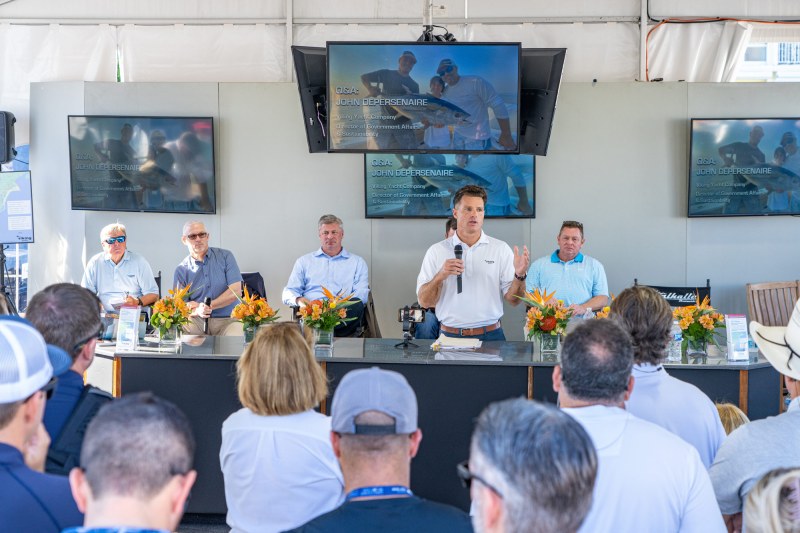
In a Sept. 18 letter to NOAA Administrator Neil Jacobs, Viking asked the agency to prioritize the rulemaking process and work directly with companies developing and testing marine mammal avoidance technology. Viking Director of Government Affairs and Sustainability John DePersenaire said the industry now has an opportunity to build on the work already underway.
“Technology has emerged as a way to address this important conservation issue without unnecessarily restricting boaters,” DePersenaire said. “We have made great progress since the rule took effect 18 years ago, and it’s time to acknowledge that progress and modernize the rule accordingly.”
Any proposed changes from NOAA would still go through a public rulemaking process before a final rule could take effect.